
Amid conflicts, “all of the above” energy is a national imperative (Op-Ed, Virginia Pilot, 3/11/26
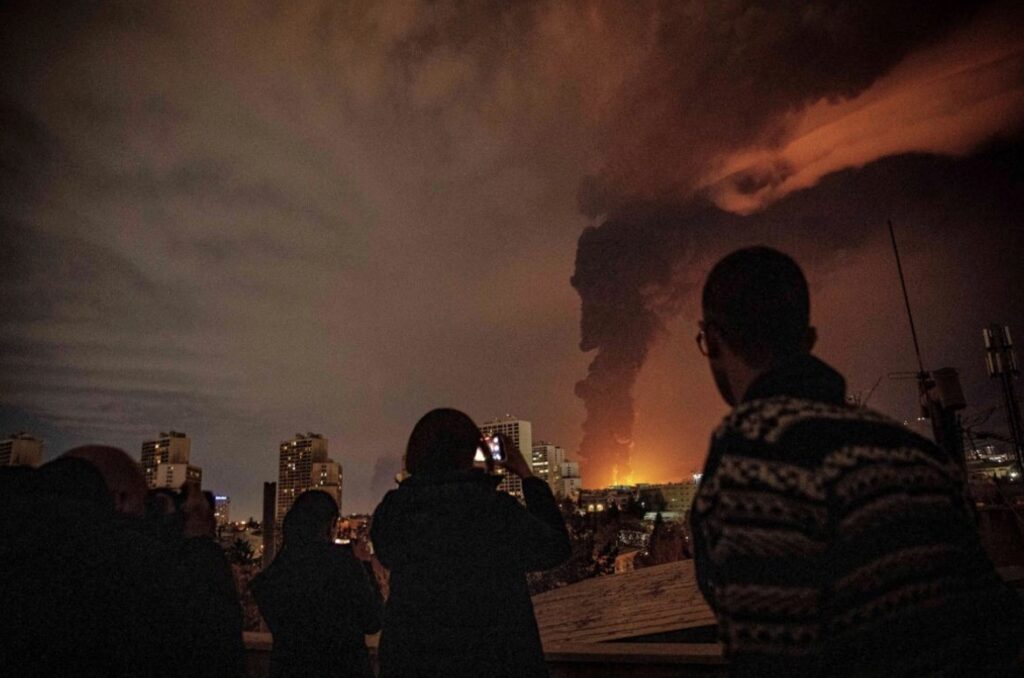
The recent escalation of conflict involving Iran and rising tensions across the Middle East are a reminder of a vulnerability America can no longer afford to ignore. When instability grips that region, energy prices spike, supply chains strain, and working families feel it almost immediately — at the gas pump and on their monthly utility bills.
For a country that prides itself on strength and independence, the reality is clear: Global energy instability continues to affect the American economy. The United States may produce more energy domestically than it once did, but we remain tied to global markets. When supply disruptions ripple through the world, Americans pay the price.
The answer is not to double down on dependence or limit ourselves to a narrow set of resources. Instead, the United States should pursue the most diverse, reliable, and affordable energy portfolio possible. That means embracing an “all of the above” strategy — one that includes traditional fuels, nuclear energy, and renewable sources such as wind and solar.
True energy security is not a partisan issue; it is a patriotic one.
Conservatives have long recognized that dependence on foreign oil can threaten American sovereignty. For decades, military leaders have warned Congress that energy vulnerability is a national security vulnerability. When the United States relies too heavily on unstable regions for critical resources, our economic strength and strategic flexibility suffer.
A strong nation does not leave energy options on the table.
Encouragingly, leaders across the political spectrum are beginning to recognize this reality. Even in places not typically associated with conservative energy thinking, attitudes are shifting. California, for example, has reconsidered shutting down nuclear power plants, acknowledging that nuclear energy provides reliable, around-the-clock electricity and remains one of the cleanest large-scale power sources available.
Meanwhile, within conservative circles, solar energy is gaining broader attention. Increasingly, it is viewed not as a partisan cause but as a practical American solution that allows homeowners, farmers, and businesses to generate power locally. Expanding domestic energy production — in all its forms — strengthens communities and reduces dependence on volatile international markets.
Here in Virginia, the stakes are particularly high. Our region is home to one of the largest concentrations of military infrastructure in the world, including Naval Station Norfolk. Energy resilience and grid reliability are not abstract policy debates here; they are matters of national security and economic stability for the entire Hampton Roads region.
Fortunately, Virginia has leaders who understand the importance of a balanced approach. Congresswoman Jen Kiggans has supported offshore wind development, permitting reform, and the expansion of nuclear energy — recognizing that a conservative commitment to energy security means strengthening the entire system. Former Virginia Gov. Terry McAuliffe has similarly urged fellow liberals and progressives to embrace an all-of-the-above strategy, acknowledging that ideological purity should never come before keeping the lights on and prices affordable.
Each major energy source plays a role in building a resilient grid. Nuclear power provides stable baseload electricity. Natural gas offers flexible generation that can respond quickly to changes in demand. Wind and solar energy — which have become increasingly cost-competitive — help diversify the energy mix and reduce exposure to global fuel price volatility.
The free market thrives on competition, innovation, and diversification. Our energy strategy should reflect those same principles.
An all-of-the-above approach is not a compromise of conservative values; it is an expression of them. Fiscal responsibility means keeping energy affordable for families and businesses. National security requires strengthening domestic energy production. And energy independence means ensuring that American prosperity is not dictated by events unfolding overseas.
Instability in the Middle East will not disappear overnight. But America’s energy future is one we can control if we act with foresight and pragmatism. By embracing a broad, diversified energy strategy, the United States can build a system that is resilient, affordable, and unmistakably American — one that strengthens our economy, protects our national security, and powers the nation forward.
Thomas Turner of Suffolk is the state director of Conservatives for Clean Energy.